

EU Pharma Trenbolone E 200
31 October 2025
UPA IPAMORELIN
31 October 2025
Healthy U Labs NAD+ Injectable
R550.00
- Nicotinamide Adenine Dinucleotide
- 500mg /ml
- 5ml per vial
NAD+ (nicotinamide adenine dinucleotide) is an essential coenzyme in all living cells, crucial for energy metabolism, DNA repair, and cell signaling. Levels of NAD+ naturally decline with age, which is associated with age-related diseases and may be a factor in accelerated aging. Boosting NAD+ levels through supplements is a promising therapeutic strategy being researched to counteract aging and related health issues, although human clinical trials are ongoing.
-
Energy Production:
As a coenzyme, NAD+ is involved in redox reactions, helping to produce ATP (energy) through processes like glycolysis and oxidative phosphorylation.
-
Cell Signaling:
NAD+ is a substrate for enzymes like sirtuins and poly(ADP-ribose) polymerases (PARPs), which regulate various cellular processes, including DNA damage repair and gene expression.
-
Metabolic Regulation:
It acts as a critical link between a cell’s energy status and its ability to adapt to stress, maintaining tissue homeostasis.
-
Age-Related Decline:Cellular NAD+ levels decrease as we age, a phenomenon linked to many age-associated pathologies and contributing to the hallmarks of aging.
-
Therapeutic Potential:Restoring NAD+ levels may slow or reverse some aspects of aging and help prevent age-related diseases such as neurodegenerative disorders and metabolic disorders.
-
NAD+ Precursors:Supplements containing NAD+ precursors like nicotinamide mononucleotide (NMN) and nicotinamide riboside (NR) can increase NAD+ levels in different tissues.
-
Research and Trials:Clinical trials are underway to evaluate the effectiveness and safety of NAD+ precursor supplementation for human health and anti-aging benefits.
-
Anti-Aging:
Studies suggest that increasing NAD+ may have anti-aging effects, though more research is needed.
-
Potential Side Effects:
Side effects of NAD+ supplements can include flushing, nausea, and, at higher doses, more serious issues like elevated liver enzymes or liver toxicity.
Is NAD+ a IM or SC injection?NAD+ is administered viaboth intramuscular (IM) and subcutaneous (SC) injections, as well as intravenously (IV). The method of injection can affect the absorption rate and how quickly the effects are felt.IM vs. SC injections for NAD+Feature Intramuscular (IM) injection Subcutaneous (SC) injection Location Injected deep into a muscle, typically the thigh, gluteal area, or upper arm. Injected into the fatty tissue just beneath the skin, often in the abdomen, thigh, or back of the upper arm. Absorption rate Offers rapid absorption into the bloodstream due to the rich blood supply in muscle tissue. Provides a slower, more gradual release of NAD+ into the body. Onset of effects Quicker onset of effects, with some feeling an energy boost or mental clarity in a few hours. Slower onset of effects, which may take several hours to become noticeable. Advantages Ideal for those seeking a rapid boost to their NAD+ levels. Preferred for long-term maintenance and steady, sustained levels. It is also considered a gentler injection with less discomfort. Disadvantages Can cause more discomfort than an SC injection. The absorption rate can be slower than IM injections. Important considerations- Side effects can occur. Common side effects are generally mild and temporary and may include flushing, nausea, or soreness at the injection site. Serious side effects are rare, but allergic reactions require immediate medical attention.
- Age and health status: Since NAD+ levels decline with age, older individuals may require a different approach than younger, healthier individuals. Certain medical conditions can also affect the decision-making process.
- Specific health goals: The method of administration and overall plan can vary depending on whether the objective is general wellness, athletic recovery, or other health goals.
- Personal tolerance: Some people may experience side effects at certain levels. A doctor will monitor your response to determine the right approach for you.
In clinical settings, NAD+ injection doses typically range from 100 mg to 1,000 mg per day. While NAD+ is considered safe at a wide range of doses, higher doses may increase the risk of side effects such as fatigue, nausea, or flu-like symptoms.
NAD+ Frequency: Finding Your Rhythm
The dosage and frequency of NAD+ injections can vary depending on individual factors such as age, health status, and treatment goals. Whether you’re seeking anti-aging benefits, cognitive enhancement, or help with addiction recovery, the right approach to NAD+ injection dosage is highly personalized.
- Anti-aging: Individuals pursuing anti-aging benefits might start with a higher frequency of NAD injections, such as 1-2 times per week for several weeks, before reducing the frequency to a monthly or bi-monthly schedule.
- Cognitive enhancement: For those looking to boost cognitive function or fight brain fog, a typical protocol might involve weekly NAD+ subcutaneous injection for a few weeks, followed by maintenance doses every few months.
- Addiction recovery: In clinical settings, NAD+ injections are often used as part of addiction recovery programs, with higher doses administered daily over several weeks to help reduce cravings and support brain health.
While the exact frequency can differ based on individual goals, many experts recommend beginning with more frequent injections and adjusting based on how your body responds. Moreover, discussing it with your primary care physician is always advisable regardless of your case.
Unlocking the Perfect NAD+ Dose
A typical prescribed NAD+ dose is 5 mg to 10 mg daily; however, an individual’s ideal dosage may vary depending on their health condition.
Moreover, you may take these doses in several forms, including:
- IV infusions: Contains 500mg of NAD in 500 ml of saline solution, typically administered multiple times over several weeks.
- Injections: A 500 mg or 1000mg vial is self-administered using a subcutaneous injection over a set period.
- Nasal sprays: These usually contain 30 mg/spray in a 300 mg/ml bottle and are typically administered once daily.
Determining the perfect NAD+ injection dosage requires considering a range of factors, including age, overall health, and specific health goals. In clinical settings, NAD+ injection doses typically range from 100 mg to 1,000 mg per day.
While NAD+ is considered safe at a wide range of doses, higher doses may increase the risk of side effects such as fatigue, nausea, or flu-like symptoms. Discussing the dosages with your primary healthcare provider to customize the NAD dosage to your specific needs is essential.
Factors Influencing NAD+ Levels: Factors That Deplete It and How to Protect It
Let’s learn about the lifestyle and health factors affecting your NAD+ levels and how to proactively support your body’s natural processes.
NAD+ Thieves: Lifestyle & Health Factors to Avoid

While aging is the primary culprit behind diminishing NAD+ levels, several other lifestyle and health factors can accelerate this decline, including:
- Chronic Stress: When we experience stress, our bodies utilize more NAD+ to fuel the stress response, leading to faster depletion. Chronic or prolonged stress can significantly impact NAD+ levels over time.
- Poor Diet & Nutritional Deficiencies: NAD+ production relies on essential nutrients like vitamin B3 (niacin) and its precursors. A diet lacking in these nutrients can hinder the body’s ability to maintain adequate NAD+ levels.
- Excessive Alcohol Consumption: Alcohol metabolism puts a strain on the liver, which is a key organ involved in NAD+ production. Regular and excessive alcohol consumption can significantly impair NAD+ synthesis.
- Poor Sleep Hygiene: Sleep deprivation and irregular sleep patterns can interfere with the body’s natural processes, including NAD+ production and regulation.
- Chronic Inflammation: Ongoing inflammation within the body can trigger increased NAD+ consumption by enzymes involved in the inflammatory response, leading to a decline in overall levels.
- Environmental Toxins: Exposure to certain environmental pollutants and toxins can damage cells and contribute to oxidative stress, further depleting NAD+ reserves.
- Certain Medical Conditions: Some medical conditions, such as diabetes, chronic infections, and neurodegenerative diseases, can disrupt NAD+ metabolism and accelerate its decline.
Protecting Your NAD+ Levels: Embrace These Lifestyle Habits
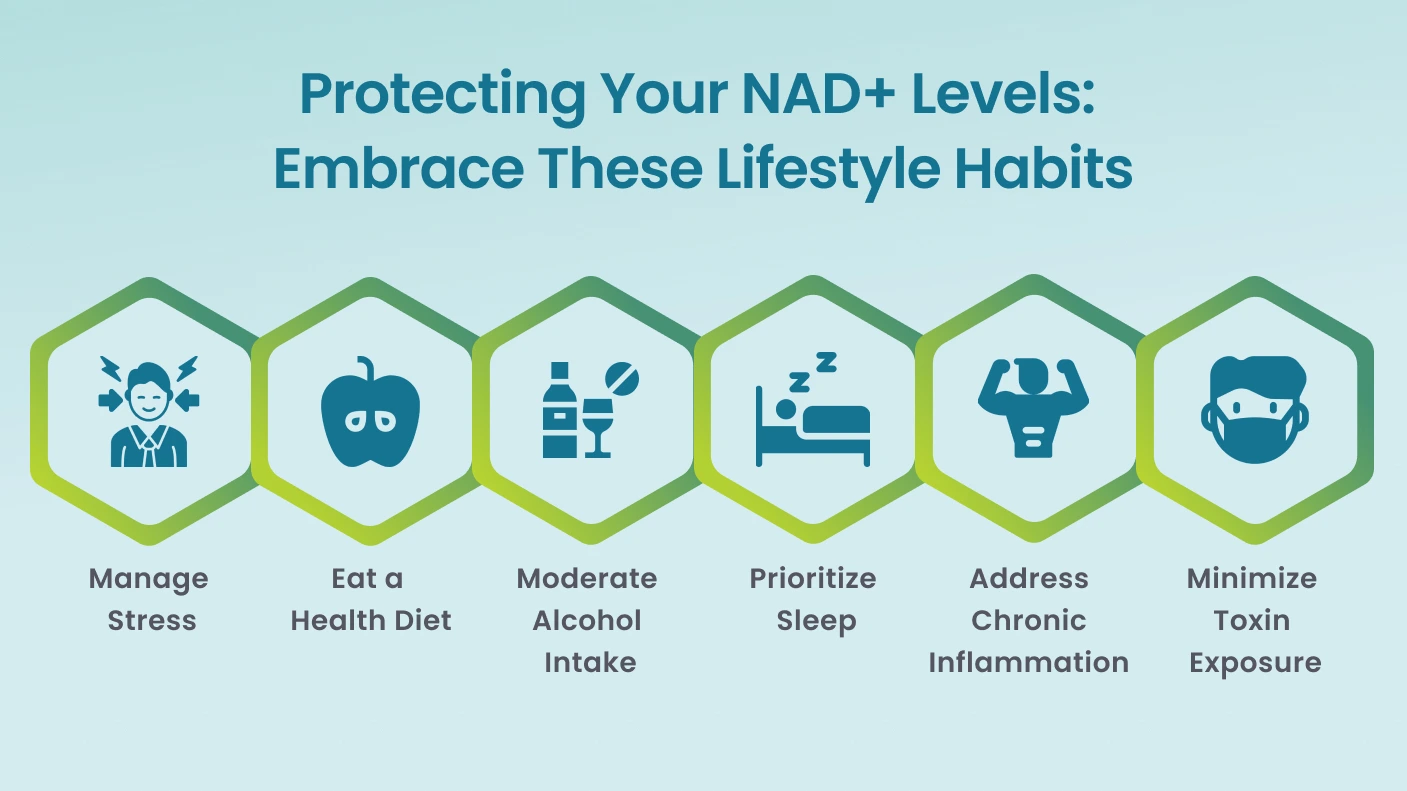
While it’s impossible to halt the natural age-related decline of NAD+ completely, you can take proactive steps to support healthy NAD+ levels:
- Manage Stress: Practice relaxation techniques, exercise regularly, and prioritize sleep to reduce stress and its impact on NAD+ levels.
- Eat a Healthy Diet: Ensure your diet is rich in NAD+ precursors like vitamin B3 (niacin), in foods like fish, poultry, whole grains, and leafy green vegetables.
- Moderate Alcohol Intake: Limit alcohol consumption to protect your liver and support optimal NAD+ production.
- Prioritize Sleep: Aim for 7-8 hours of quality sleep each night to support your body’s natural rhythms and NAD+ balance.
- Address Chronic Inflammation: Work with your healthcare provider to manage any underlying inflammatory conditions.
- Minimize Toxin Exposure: Take precautions to reduce exposure to environmental toxins, such as using natural cleaning products and avoiding heavily polluted areas.
By understanding the factors that influence NAD+ decline and making healthy lifestyle choices, you can support your body’s natural processes and potentially slow the age-related depletion of this vital coenzyme.
NAD+ Benefits: The Elixir of Youth and Vitality

NAD+ has earned a reputation as an elixir of youth due to its extensive role in promoting cellular health and longevity. Its benefits extend beyond simple energy production, with research highlighting its involvement in DNA repair, reducing inflammation, and improving overall vitality.
Some of the specific benefits of NAD+ injections include:
- Improved Cognitive Function: NAD+ helps enhance brain function by supporting neuronal health and reducing oxidative stress, resulting in improved memory, focus, and mental clarity.
- Enhanced Athletic Performance: By boosting cellular energy, NAD+ can improve stamina and endurance, making it a popular option for athletes looking to optimize their physical performance.
- Support for Addiction Recovery: NAD+ is used in addiction treatment programs due to its ability to repair brain function and reduce cravings, particularly in individuals recovering from substance abuse.
- Longevity and Anti-aging: NAD+ plays a crucial role in maintaining mitochondrial health, reducing oxidative stress, and promoting DNA repair—essential factors for slowing aging.